


How to Talk to Agitated Seniors: Effective Communication Tips for Caregivers and Families
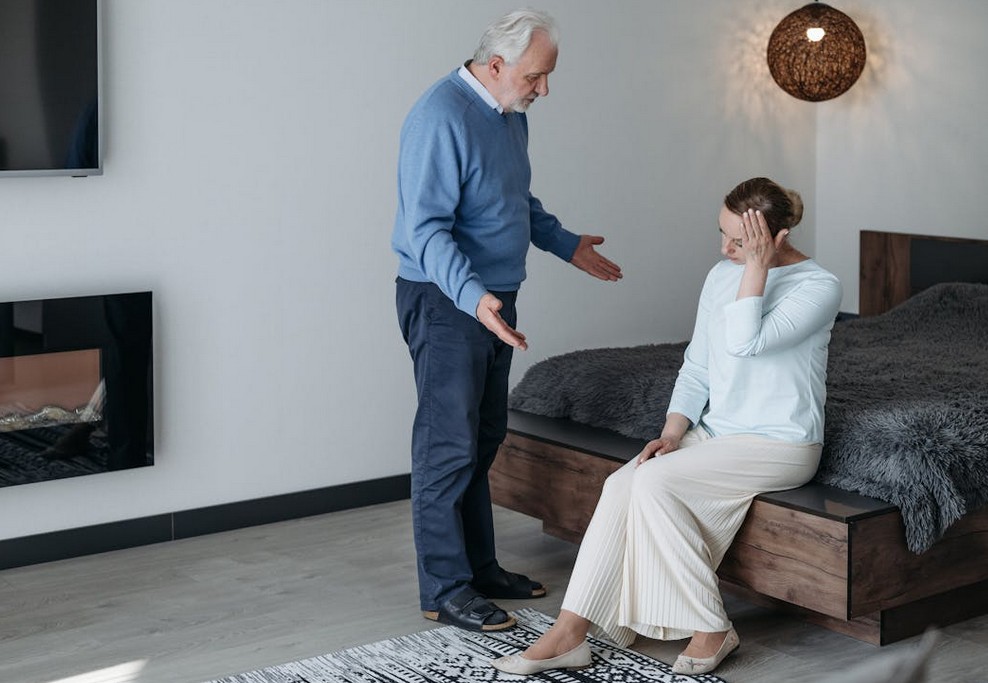
Caring for an aging loved one can be rewarding, but it can also be challenging when a senior becomes agitated, frustrated, or confused. Whether the agitation is related to dementia, illness, pain, medication side effects, or emotional stress, the way you communicate can make a significant difference in helping them feel safe and understood.
At Safewell Medical Supply, we understand the importance of providing not only quality home medical equipment but also resources that help families create a more comfortable and supportive environment for seniors.
Why Seniors May Become Agitated
Agitation in older adults can occur for many reasons, including:
- Chronic pain or discomfort
- Dementia or Alzheimer's disease
- Medication changes or side effects
- Fatigue or lack of sleep
- Anxiety or depression
- Feelings of isolation or loneliness
- Difficulty hearing or understanding conversations
- Changes in routine or unfamiliar surroundings
Understanding the root cause can help caregivers respond more effectively and compassionately.
1. Stay Calm and Speak Softly
Your tone of voice can influence the emotional state of an agitated senior. Speaking loudly, quickly, or with frustration may increase their anxiety.
Instead:
- Use a calm, reassuring voice
- Speak slowly and clearly
- Maintain a relaxed posture
- Avoid arguing or raising your voice
When caregivers remain calm, seniors are more likely to mirror that behavior.
2. Listen Before Responding
Many seniors become agitated because they feel unheard or misunderstood.
Try to:
- Allow them to express their concerns
- Maintain eye contact
- Avoid interrupting
- Acknowledge their feelings
Simple statements such as "I understand this is upsetting" or "I can see why you're frustrated" can help de-escalate tense situations.
3. Avoid Correcting or Arguing
If a senior has dementia or memory impairment, correcting them may increase confusion and agitation.
Instead of focusing on facts, focus on emotions. For example:
- Validate their feelings
- Redirect the conversation to a comforting topic
- Offer reassurance rather than correction
The goal is to reduce stress, not win an argument.
4. Eliminate Distractions
A noisy television, multiple conversations, or a crowded room can overwhelm seniors, especially those with cognitive challenges.
Create a calmer environment by:
- Turning down background noise
- Moving to a quieter room
- Limiting distractions during conversations
- Ensuring proper lighting
A peaceful setting often leads to more productive communication.
5. Use Simple, Clear Language
Complex instructions can cause frustration.
Try:
- Giving one instruction at a time
- Using short, simple sentences
- Asking yes-or-no questions when appropriate
- Allowing extra time for responses
Patience is key. Seniors may need additional time to process information.
6. Offer Choices Instead of Commands
Maintaining a sense of independence is important for many older adults.
Rather than saying:
"Put on your jacket now."
Try:
"Would you like to wear the blue jacket or the gray one?"
Offering choices can reduce resistance and help seniors feel more in control.
7. Pay Attention to Physical Needs
Sometimes agitation is a sign of an unmet need.
Check for:
- Hunger or thirst
- Pain or discomfort
- Bathroom needs
- Fatigue
- Room temperature issues
Addressing basic physical needs can often resolve agitation quickly.
8. Use Positive Body Language
Nonverbal communication matters just as much as words.
Helpful techniques include:
- Smiling gently
- Maintaining a relaxed facial expression
- Sitting at eye level
- Using appropriate, reassuring touch when welcomed
Positive body language helps create trust and security.
9. Redirect Attention When Necessary
If a senior becomes fixated on a stressful topic, gentle redirection can help.
You might:
- Look through family photos together
- Listen to favorite music
- Take a short walk
- Discuss a favorite hobby or memory
Redirecting attention often reduces anxiety and shifts focus toward positive experiences.
10. Create a Safe and Comfortable Environment
The right home environment can significantly reduce stress and agitation.
Helpful products may include:
- Comfortable mobility aids
- Lift chairs
- Bed rails
- Shower safety equipment
- Rollators and walkers
- Pressure-relief cushions
These products can improve comfort, safety, and independence for seniors aging at home.
Safewell Medical Supply Is Here to Help
Supporting an agitated senior requires patience, empathy, and effective communication. By listening carefully, remaining calm, and creating a comfortable environment, caregivers can help reduce stress and improve quality of life for their loved ones.
At Safewell Medical Supply, we offer a wide selection of mobility aids, home safety products, and medical equipment designed to support seniors and caregivers alike.
Browse our complete line of medical products including our specialty mobility products such as rollators, wheelchairs, transport chairs and walkers today and discover solutions that help seniors remain safe, comfortable, and independent at home. Added savings: Enjoy Free Shipping and Save 5% off of your next purchase with coupon code: 5OFFNEW at checkout!