


Fall Prevention Month: Simple Steps to Help Seniors Stay Safe and Independent
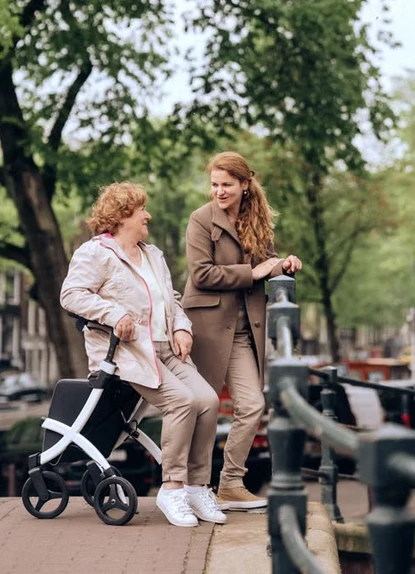
September is Fall Prevention Month, making it an important time for older adults, caregivers, and families to take a closer look at fall risks and the steps that can help seniors remain safe, mobile, and independent.
Falls are a major concern for adults age 65 and older. According to the Centers for Disease Control and Prevention (CDC), more than one in four older adults falls each year, and falling once can double the chance of falling again. The CDC also reports that falls are the leading cause of injury among older adults.
While not every fall can be prevented, many common risks can be addressed. A combination of improved home safety, appropriate mobility equipment, regular exercise, vision care, and medical guidance can help reduce fall risk.
Why Fall Prevention Matters
A fall can have consequences that go beyond a temporary injury. Serious falls may result in fractures, hospitalization, loss of mobility, and a reduced ability to live independently.
The CDC reports that approximately 4.5 million emergency department visits occur each year because of falls among older adults. Hip fractures are also a significant concern, with nearly 319,000 older adults hospitalized for hip fractures annually.
Taking steps to reduce fall hazards before an accident happens can be an important part of maintaining independence.
Common Causes of Falls
Fall risks can come from many different sources. Some are related to a person's mobility or balance, while others are related to the environment.
Common risk factors include:
- Poor balance or muscle weakness
- Difficulty walking or standing
- Clutter, loose rugs, or electrical cords
- Poor lighting
- Slippery bathroom surfaces
- Stairs without secure handrails
- Vision problems
- Certain medications that may cause dizziness or drowsiness
- Footwear that does not provide adequate support
The CDC recommends discussing fall risk with a healthcare professional and reviewing medications that could contribute to dizziness or sleepiness. Regular vision examinations and strength and balance exercises are also important components of fall prevention.
Make the Home Safer
Many falls happen during everyday activities at home. A fall-prevention review should include the bedroom, bathroom, kitchen, hallways, stairs, and other areas where a person regularly walks.
Simple changes can make a difference. Remove objects that could become tripping hazards, improve lighting, keep walkways clear, and make sure stairs have secure handrails.
Bathrooms deserve particular attention because wet floors can create significant slipping hazards. The CDC recommends installing grab bars inside and outside the tub or shower and next to the toilet.
Depending on individual needs, additional bathroom safety equipment such as shower chairs, bath safety equipment, and other supportive products may also make daily activities easier and safer.
Mobility Devices Can Support Safer Movement
For seniors who have difficulty walking or maintaining balance, the right mobility device can provide additional support during everyday activities.
SafeWell Medical Supply offers a wide selection of mobility products designed to help individuals maintain mobility and independence, including:
- Rollators for individuals who benefit from walking support while also having access to a seat when needed
- Walkers for those who need additional stability while walking
- Wheelchairs for individuals who cannot safely or comfortably walk long distances
- Transport chairs for assisted mobility and convenient transportation
- Lightweight mobility devices that can make it easier for caregivers and users to manage equipment
Choosing the right mobility device is important. A rollator, walker, wheelchair, or transport chair should match the individual's mobility needs, strength, balance, and environment.
A healthcare professional, physical therapist, or other qualified provider can help determine which type of mobility equipment may be appropriate.
Rollators and Walkers for Fall Prevention
For people who are still able to walk but need additional support, a rollator or walker can be an important mobility aid.
Rollators typically feature wheels and hand brakes and may include a built-in seat. They can be particularly useful for individuals who need walking support but also appreciate the ability to stop and rest.
Walkers can provide a stable support structure for individuals who require more assistance with balance and walking.
SafeWell Medical Supply carries mobility products from recognized manufacturers, giving customers access to a variety of options for different mobility requirements.
Don't Forget Strength and Balance
Mobility equipment is only one part of a comprehensive fall-prevention strategy. The CDC recommends exercises that strengthen the legs and improve balance, with activities such as Tai Chi among the examples that may help.
Older adults should talk with their healthcare provider before beginning a new exercise program, particularly if they have existing mobility limitations or other health concerns.
The CDC's STEADI initiative—Stopping Elderly Accidents, Deaths & Injuries—uses a three-part approach: Screen, Assess, and Intervene to identify and address modifiable fall risks.
Have Vision and Medications Checked
Good vision is an important part of safe mobility. Difficulty seeing obstacles, changes in depth perception, or outdated prescriptions can increase the risk of falling.
The CDC recommends having your eyes checked regularly and keeping eyeglass prescriptions up to date.
Medications should also be reviewed with a doctor or pharmacist. Some medications can cause dizziness, drowsiness, changes in vision, or balance problems that may contribute to falls.
Fall Prevention Is About Maintaining Independence
Fall prevention isn't simply about avoiding injuries. It is also about helping older adults continue doing the things they enjoy and maintaining as much independence as possible.
Having the appropriate mobility equipment available can provide additional support for everyday activities such as walking around the home, going shopping, visiting family, or participating in community activities.
Families and caregivers can help by paying attention to changes in walking ability, balance, or confidence. A new difficulty getting out of a chair, navigating stairs, or walking across a room may be a reason to discuss mobility with a healthcare professional.
Find Mobility Solutions at SafeWell Medical Supply
This Fall Prevention Month, take time to evaluate the mobility and safety needs of yourself or a loved one.
SafeWell Medical Supply is a one-stop source for mobility and home medical products, offering a wide selection of rollators, walkers, wheelchairs, transport chairs, and other products designed to support mobility and independence.
Whether you are looking for a lightweight rollator, a supportive walker, a wheelchair, or mobility equipment for a family member or caregiver, SafeWell Medical Supply can help you explore options from trusted mobility brands.
Visit SafeWell Medical Supply today to explore mobility solutions that can help support safer, more confident movement and greater independence.